AI search optimisation should be a top priority for publishers today, since AI search is fundamentally reshaping how users discover and interact with content. Its impact is especially significant for webmasters and publishers as AI-driven results increasingly surface direct answers, visibility, traffic patterns, and monetisation strategies are changing.
While this shift presents challenges, it also opens new opportunities for publishers who adapt by prioritising authoritative, well-structured, and user-focused content.
How AI is Changing Search and Content Discovery
The way people find information online is shifting fast. Traditional search engines show a list of links, but AI-powered systems like ChatGPT, Perplexity, and Google’s AI features go a step further, they understand questions, summarize answers, and deliver information in a conversational format. The way AI talks about you can shape how people see your business and even influence their buying choices.
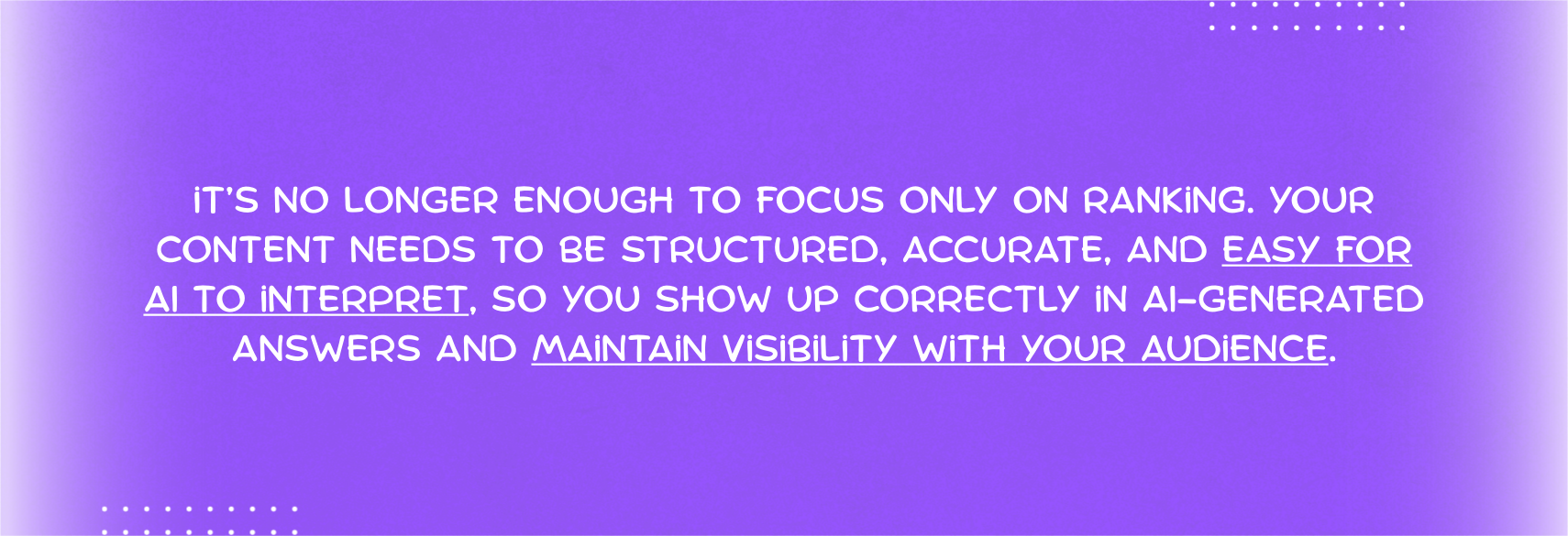
To put it simply, just relying on regular SEO isn’t enough anymore.
This changes how content is discovered:
- Direct answers: AI often gives users the answer directly, meaning fewer visits to your site.
- Content summarisation: AI pulls information from multiple sources, so your page might be cited or referenced without a click.
- Context over keywords: AI understands user intent and context, making content relevance more important than exact keyword matches.
- Brand perception shifts: How AI describes your brand can directly influence audience trust and purchasing decisions.
For publishers, this means that it’s no longer enough to focus only on ranking. Your content needs to be structured, accurate, and easy for AI to interpret, so you show up correctly in AI-generated answers and maintain visibility with your audience.
How does AI Search Optimisation Differs From Traditional SEO?
Traditional SEO (Search Engine Optimization) is all about getting your website to rank higher in search results, driving traffic through keywords, backlinks, and click-through rates. The goal is to attract users to visit your pages.
AI Engine Optimization (AEO), on the other hand, focuses on how AI systems interpret and present your brand. Instead of just rankings, AEO ensures that AI mentions your brand accurately, summarizes your content correctly, and positions your solutions effectively, often in situations where users may never click through to your site.
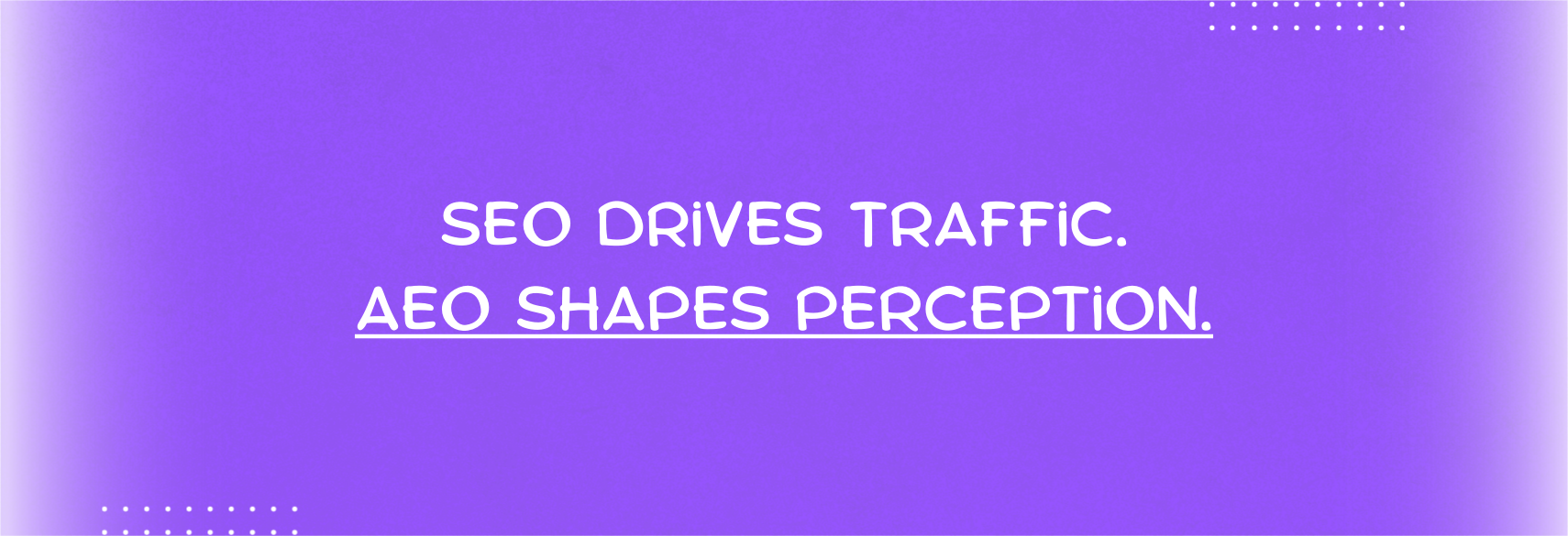
In short: SEO drives traffic; AEO shapes perception.
Why Publishers Should Optimize Their Websites for AI Search
AI search goes beyond traditional keyword-based queries. Instead of simply returning links, AI search engines generate direct answers, summaries, and conversational responses. This means:
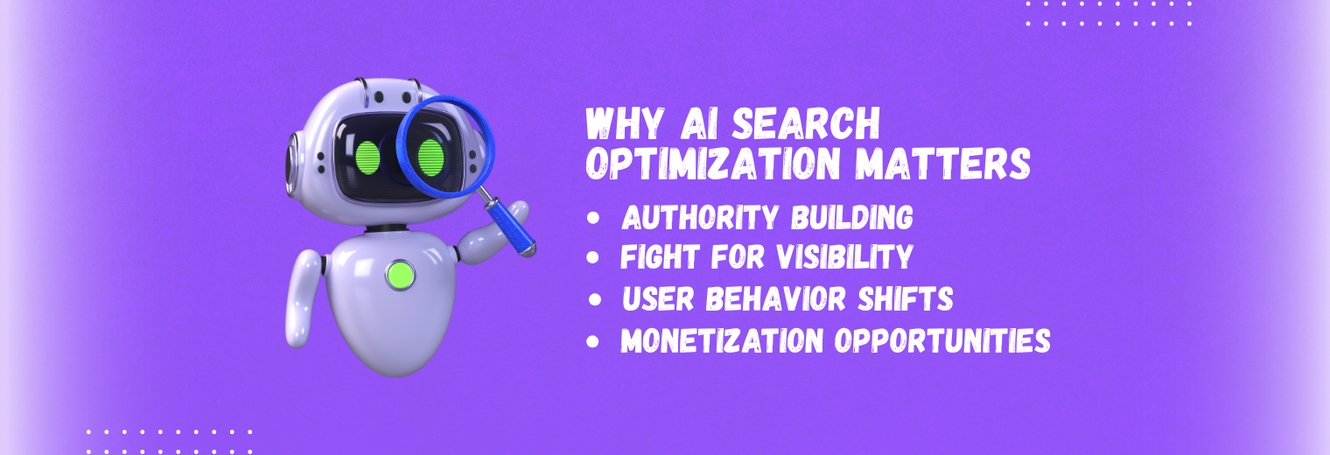
Content visibility changes: Pages that are optimized for human search behavior might not rank as well in AI-driven results if they’re not structured clearly or contextually relevant.
User behavior shifts: Users increasingly prefer concise, AI-curated answers over scrolling through multiple search results. This could reduce clicks to traditional web pages if content isn’t AI-friendly.
Monetization opportunities: Websites that are optimized for AI search can gain higher traffic and engagement, which translates into more impressions, clicks, and revenue from ads.
For publishers, ad monetization depends on traffic and engagement. If your website isn’t optimized for AI search, you risk:
- Lower organic traffic from AI-driven platforms.
- Reduced time-on-site if AI provides answers directly to users without them visiting your page.
- Fewer ad impressions, clicks, and overall revenue.
Conversely, optimizing for AI search can increase your content’s relevance and accessibility, driving more visitors and boosting ad performance across formats like push notifications, native ads, and banners.
Key Players in AI Search
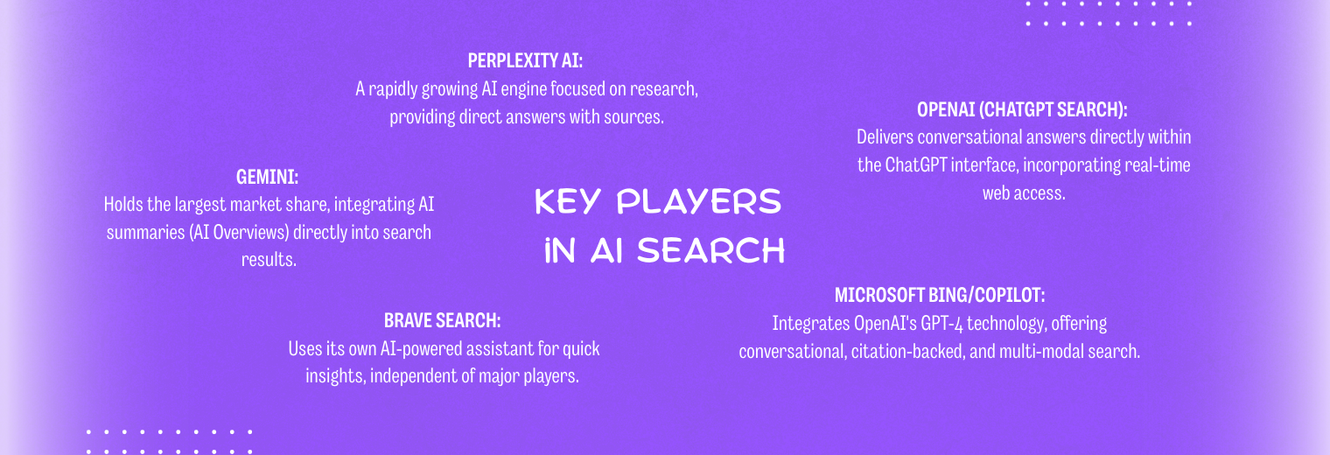
Traditional analytics show you website visits, page rankings, and click-through rates, but they don’t reveal how AI-driven search engines interpret your content. AI SEO optimization tools are specialized platforms that analyze how your brand appears in AI-generated results across ChatGPT, Perplexity, Gemini, and similar AI systems.
These tools give insights into:
- AI visibility: How AI characterizes your brand or content in response to industry-related queries.
- Content gaps: Areas where AI might misrepresent or overlook your offerings.
- Optimization opportunities: Adjustments to improve clarity, relevance, and engagement for AI-driven search.
By understanding how AI “sees” your website, you can refine content strategies, enhance user engagement, and ultimately increase traffic, leading to higher ad impressions and better monetization of your ad space.
Key Strategies For AI Search Optimisation
1. Understand AI Search Algorithms
Before anything else, it’s important to understand how AI platforms are dealing with data. AI models like ChatGPT generate answers based on licensed data, publicly available content, and human-created training data.
Key sources include:
- Licensed content: News outlets and publications (e.g., Reuters, Financial Times, Vox Media).
- Public content: Blogs, Wikipedia, open-access papers, forums.
- Human-created datasets: Textbooks, guides, curated examples.
- Structured knowledge: Databases like Wikidata or Freebase.
💡 Identify which competitors appear in AI search responses by analyzing AI citations, Google AI Overviews, and tools like Perplexity and Gemini to understand preferred content formats and sources.
Track competitor visibility over time and apply these insights to guide content creation and optimization, helping your brand stand out while aligning with AI search requirements.
2. Maintain Content Authority
- Improve AI visibility by using data-driven insights, accurate statistics, and expert citations to build credibility.
- Structure content clearly for easy AI interpretation and user readability, reference authoritative sources while adding original analysis, and keep content regularly updated to maintain relevance and trust.
- Produce high-quality, original content: AI models prioritize unique, well-crafted, and valuable content over duplicate, low-quality, or superficial material.
- Ensure your content appears in high-authority sources. Building relationships with industry publications increases the likelihood of coverage, boosting brand credibility and visibility in AI-driven search results.
3. Structure Content for Machine Readability
- Structure pages with headers(framed as questions), FAQs, and bullet points so AI can easily understand and retrieve information, while balancing SEO best practices with AI optimization.
- Avoid long, unbroken text blocks, they’re harder for AI to parse and summarize. Keep paragraphs short(2-4 lines).
- Focus on building comprehensive resources that address multiple related queries in one place. Keep explanations concise and factual.
4. Don’t Leave Out SEO Practices
Strong technical SEO helps AI search engines and chatbots efficiently crawl, understand, and rank your content. Maintaining a healthy, fast, and secure website is essential as AI-driven search becomes more advanced. Using audit tools can help identify technical issues and optimization opportunities.
- Mobile optimization: Responsive design and fast mobile load times improve user experience and AI search visibility.
- Page speed: Fast-loading pages are prioritized by AI search engines. Improve speed through image compression, browser caching, and CDNs.
- Security (HTTPS): A secure site builds trust, avoids browser warnings, and supports higher rankings, with SSL certificates now widely available.
Overall, a solid technical foundation increases your chances of ranking well in AI search results and chatbot citations.
5. Optimize for Conversational Queries
Create people-first content that clearly and concisely answers real user questions, using conversational, long-tail phrasing.
- Answer immediately, then expand.
- Write in a conversational but professional tone.
- Include “how,” “why,” and “best way to” phrasing.
- Add FAQ sections at the end of articles.
This helps your content surface in chat-style search responses.
6. Build a multichannel online presence
AI models aggregate data from diverse sources, including forums, reviews, and social media platforms. Meet your customers across multiple channels to ensure consistent brand visibility.
- Engage in Online Discussions. Contributing valuable, non-promotional insights to industry discussions helps increase brand awareness, build positive sentiment, and establish long-term credibility through strong community relationships.
- Monitor reviews. Proactively respond to customer reviews, encourage satisfied customers to share their experiences, and use feedback to improve products and services, helping maintain a strong, positive brand perception and showing responsiveness to customer needs.
What Metrics Measure the Success of AI Search?
- Snippet Performance: Measures how often your content appears in AI-generated answers and how effectively it drives engagement or clicks.
- Conversion Rate from AI Search: Tracks how well AI-driven search traffic turns into purchases, sign-ups, or qualified leads.
- User Engagement: Evaluates whether users find AI-sourced content valuable through time spent, interaction, and return visits.
- Visibility & Authority: Indicates how strongly AI systems recognize your brand as a credible and trusted source.
- Technical & UX Signals: Assesses whether site speed, structure, and usability support AI discovery and user satisfaction.
Should you Optimise Your Website For AEO?
Combining traditional SEO best practices with emerging AI-focused strategies is the future.
By closely tracking AI search trends, experimenting with optimization tactics, and refining strategies based on performance insights, webmasters can position their sites to remain discoverable, trusted, and competitive in an AI-first search landscape.